Pauline Jackson
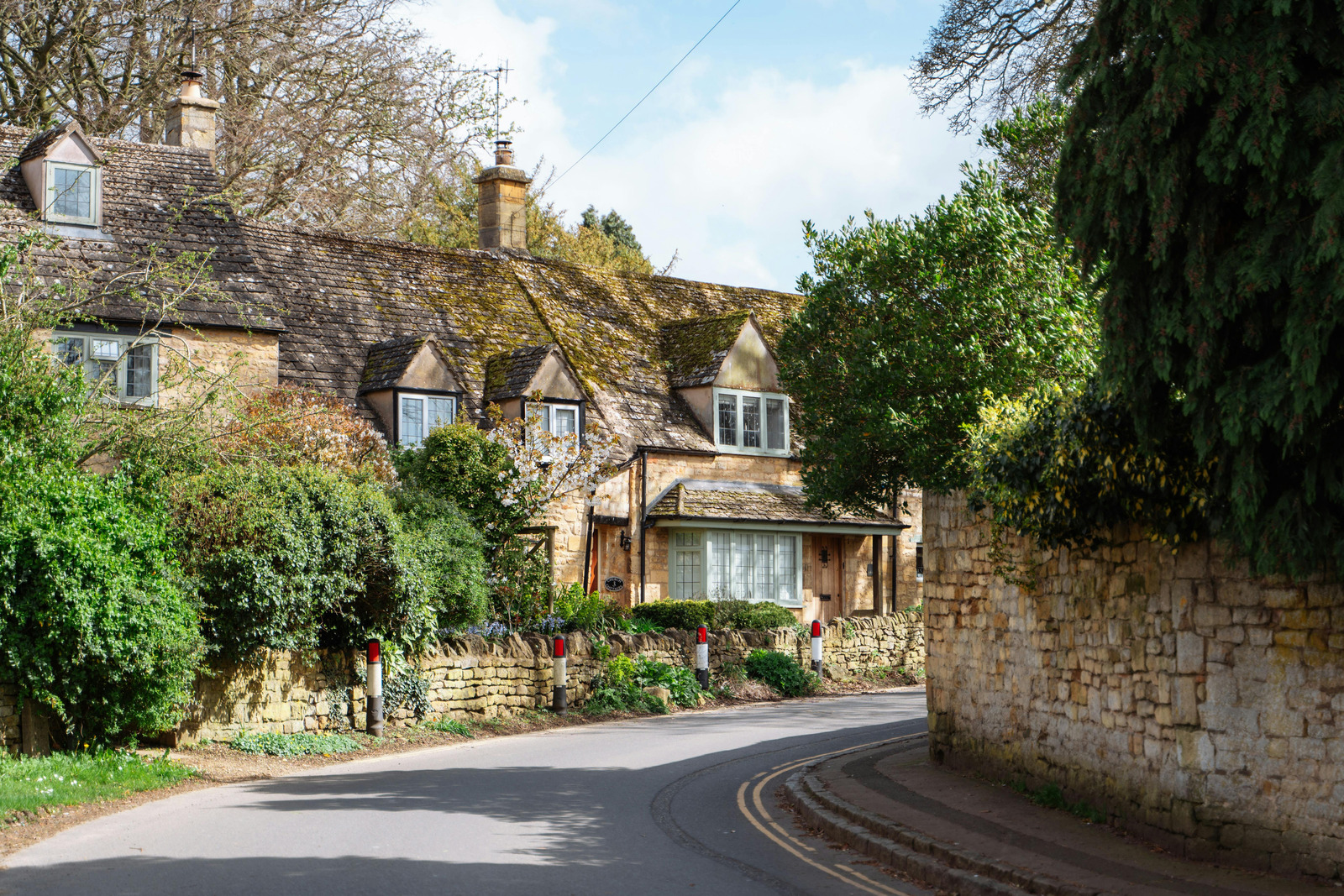
Ask someone to picture a holiday let and they’ll describe a whitewashed cottage a short walk from a Cornish beach. That picture is now seven years out of date. The fastest growth in Britain’s holiday let trade since 2019 hasn’t come from the coast. It’s come from the Midlands.
In March 2019 the West Midlands had 155 registered holiday let businesses. By March 2026 it had 300. That’s a rise of 94 per cent, the fastest of all 12 UK nations and regions. The East Midlands was close behind, up 90 per cent from 150 to 285 over the same period.
Put the two together and the Midlands went from 305 operators to 585 in seven years. The South West, home of the holiday cottage, grew by 49 per cent.
The figures come from a study of the UK holiday let boom by soft furnishings wholesaler Homefords. It tracked ONS business counts for every region back to 2010. They only include businesses registered for VAT or PAYE, so they don’t capture every spare room listed on Airbnb. They track people running holiday lets as a business. That makes the trend harder to dismiss.
Scale needs saying too. The South West still has 1,280 registered operators, more than twice the Midlands combined. The West Midlands started from a low base, so each new business moves its percentage further. But the direction has held for seven years, and no region has moved faster.
A boom that outlasted its tax break
Across the UK, registered holiday let businesses rose from 4,050 in 2019 to 6,495 in 2026, up 60 per cent. In the five years to March 2026 the country added 2,245 of them after closures. That’s more than one new operator every day.
The biggest jump came in the year to March 2022, when 720 were added. It was the largest annual rise in figures going back to 2010. A surge like that could easily have been a lockdown blip. What came next was the real test.
Until April 2025, the furnished holiday lettings regime gave holiday lets better tax treatment than ordinary rentals. The government scrapped it. Mortgage interest relief is now restricted, capital allowances have gone and tax advisers expected some owners to sell up. In the year to March 2025, while the change was being pushed through, growth slowed to 100 new operators. In the year after it ended, it climbed back to 285.
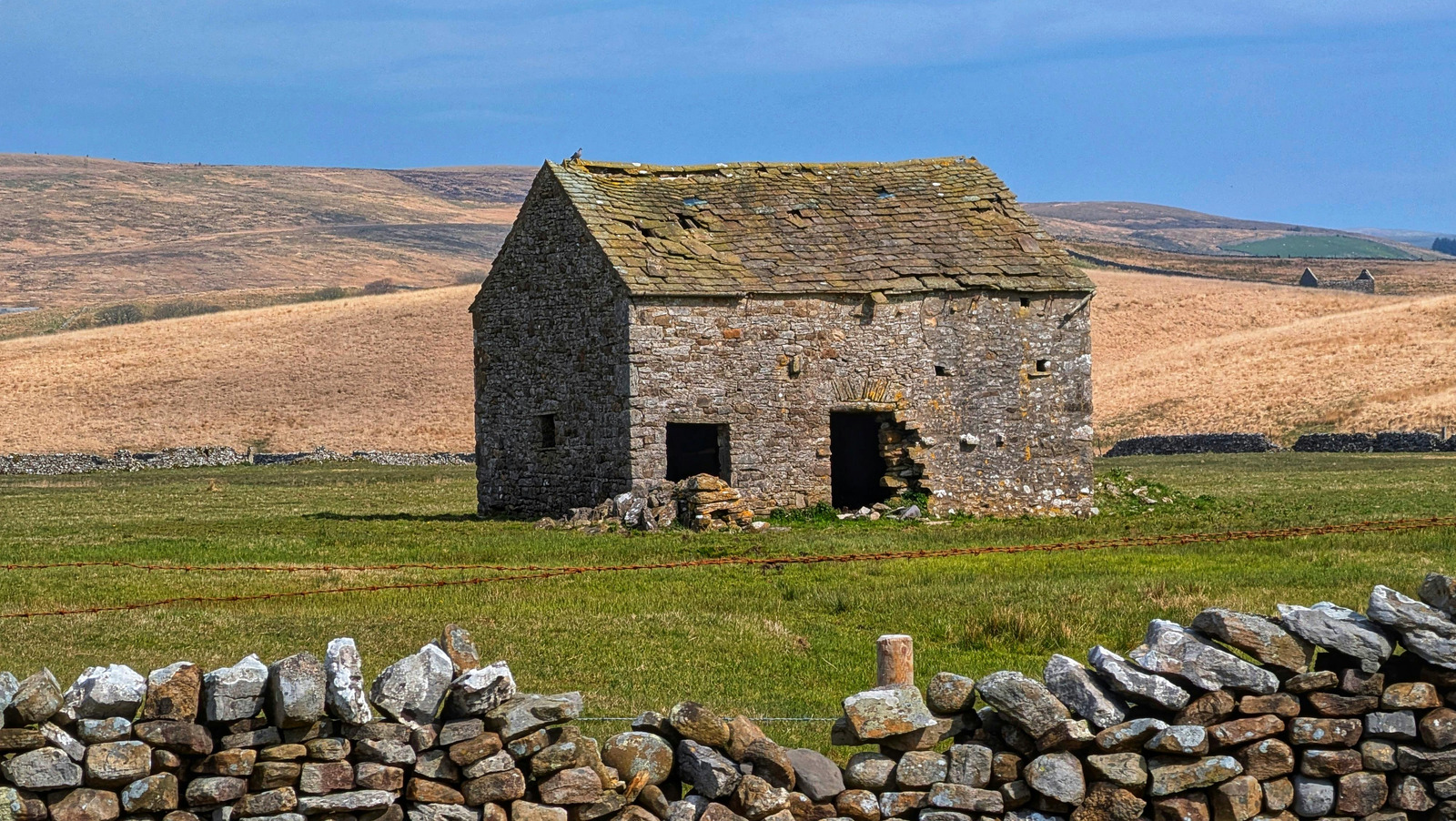
“Scrapping the holiday let tax break was supposed to cool this market,” according to Steven Forester from Homefords. “It didn’t. Another 285 registered operators opened in the year after it ended. A lot of these are farmers and rural landowners turning barns and outbuildings into a second income, and their guests spend money in the village pub and shop.”
Barns, second homes and walkers in winter
The ONS figures show how many businesses there are. They don’t say why they opened. For that you have to look at what else is happening in the region, and three pressures in the Midlands all point the same way. None of them proves the cause, but together they make a likely explanation for the region’s lead.
Start with the farms. Defra’s farm accounts for England show 72 per cent of farm businesses already have a diversified activity, and letting out buildings is the most common. Half of all farms do it. Meanwhile the old Basic Payment Scheme has been replaced by delinked payments that shrink each year and stop at the end of 2027.
The West Midlands takes in Shropshire, Herefordshire, Staffordshire and Worcestershire, some of England’s biggest farming counties. When a subsidy is disappearing, a converted barn is one of the few assets that can replace the income. It’s hard to see it as a coincidence that one of the most agricultural regions is now leading the holiday let table.
Then there are second homes. Since April 2025, councils in England can charge up to double council tax on them. A property that’s available to let for 140 days a year, and let for at least 70, can move onto business rates instead. For an owner whose cottage sits empty half the year, the sums now favour letting it out and running it as a business. A registered business is exactly what the ONS counts.
Sykes Holiday Cottages points the same way. Its Holiday Letting Outlook Report 2026 found new properties joining the agency rose 61 per cent in 2025. Sykes put that down to second home owners wanting their homes to earn more. Nor are holiday let owners the retired landlords of popular imagination. Sykes’ own survey puts the average owner at 38, and 76 per cent hold down a full-time job alongside the let.
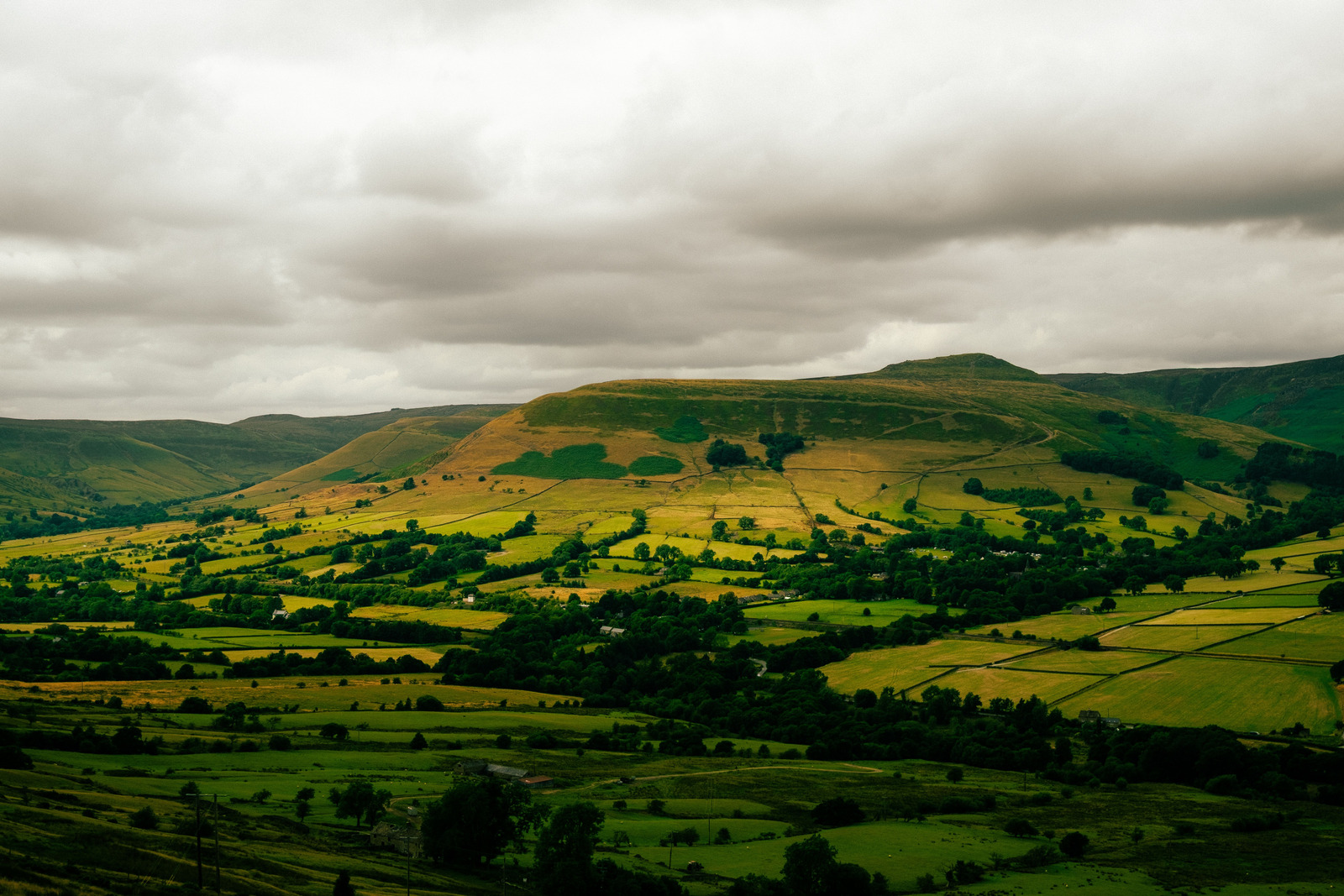
The third pressure is the guests. Sykes ranks the Peak District fourth among the UK’s highest-earning holiday let regions, at £26,900 a year on average. Cornwall comes in at £24,600. The Cotswolds, which reaches into Worcestershire and Warwickshire, tops the table at £30,600.
Midlands towns lead on bookings too. Castleton in Derbyshire averaged 51 bookings per property in 2025 and Matlock 46. Buxton (43) and Stratford-upon-Avon (42) also made Sykes’ top ten. Walking country fills outside the school holidays, and Sykes puts average owner income at £6,110 in winter, more than the £5,330 earned in autumn.
The easy years are over
None of this means the next seven years will look like the last. The tax advantage has gone. Making Tax Digital for Income Tax started in April 2026 for owners with income over £50,000, and the threshold drops to £30,000 in 2027. England’s national register of short-term lets, set out in 2024, still isn’t live.
Competition is the bigger change. A guest booking a weekend in the Peak District now has far more choice than in 2019, and reviews do the sorting. Few guests leave five stars for the view alone. They notice the mattress, the sheets, curtains that keep out the morning light and whether the place feels looked after. In a crowded market those details decide who gets rebooked and who gets scrolled past.
Time to count holiday lets as rural business
Hotels have grown too, but slowly. West Midlands hotels rose 5.2 per cent between 2019 and 2026, from 765 to 805. The region now has about 37 registered holiday lets for every 100 hotels, and that share is still rising.
So the Midlands has grown a new rural industry, and it has done so with little fanfare. Close to 600 registered businesses are now bringing paying guests into the region’s countryside.
Much of the public debate about holiday lets is about housing, and in some places that concern is fair. In the farming counties of the Midlands, though, many new lets will be barns and outbuildings that were never homes at all. Treating them as a nuisance to be taxed and restricted misses what they are doing for rural incomes.
They deserve to be planned for. Councils could count holiday lets as part of their rural business base. That means a sensible approach to barn conversions, and to the broadband, footpaths and bus links guests rely on. Investors and lenders could look again at a region many still think of as somewhere you drive through on the way to the coast.
“The holiday let map has been redrawn,” as Steven Forester puts it. “Councils and investors in the Midlands and the North need to plan for this growth now, or they’ll watch the benefits go elsewhere.”
The cottage everyone pictures is still in Cornwall. The fastest-growing part of the trade is a barn in Shropshire or a cottage in the Peaks. The Midlands should start treating it as the business it has become.