Pauline Jackson
Businesses are always looking for new ways to reduce fraud. But what, specifically, works?
That’s the topic of this post. We look at some of the emerging innovations that look set to counter fraud and make it less likely that business leaders will face accusations.
AI And Machine Learning
Top of the list of interventions is AI and machine learning. These pattern-matching algorithms are second-to-none when it comes to flagging unusual transactions.
AI and machine learning are top-tier tools these days because of the sheer size of the datasets they use. They can usually detect fraud, even if it is subtle, reducing the risk of businesses losing money and having to admit issues to shareholders.
Blockchain Technology

Blockchain technology is a second line of defense, and it is improving all the time. It’s enabling businesses to secure transactions with an immutable ledger, ensuring that nothing can be adjusted or altered.
Blockchain is most valuable in supply chain management. It reduces the risk of people tampering with products mid-transit, ensuring that anything that reaches its destination is legitimate.
However, it also works with things like cryptocurrency transfers. These are unlikely to be fraudulent if they occur on the blockchain.
Biometric Authentication
Biometrics are also reducing the risk of having to go to a fraud solicitor. The idea here is to scan fingerprints or faces to verify user identities.
Biometrics are more commonly used for authentication in business. Leveraging these can reduce the risk of stakeholders falsely posing as people they’re not.
Behavioural Analytics
Behavioural analytics are another layer. These algorithms are similar to those used in the film, Minority Report, attempting to predict and catch crime in the act.
These analytics essentially collect data like mouse movements and typing speed, and then run them through an AI that determines threat level. If the threat is high, it will send an automatic notification to security staff who can investigate or intervene.
Real-Time Transaction Monitoring
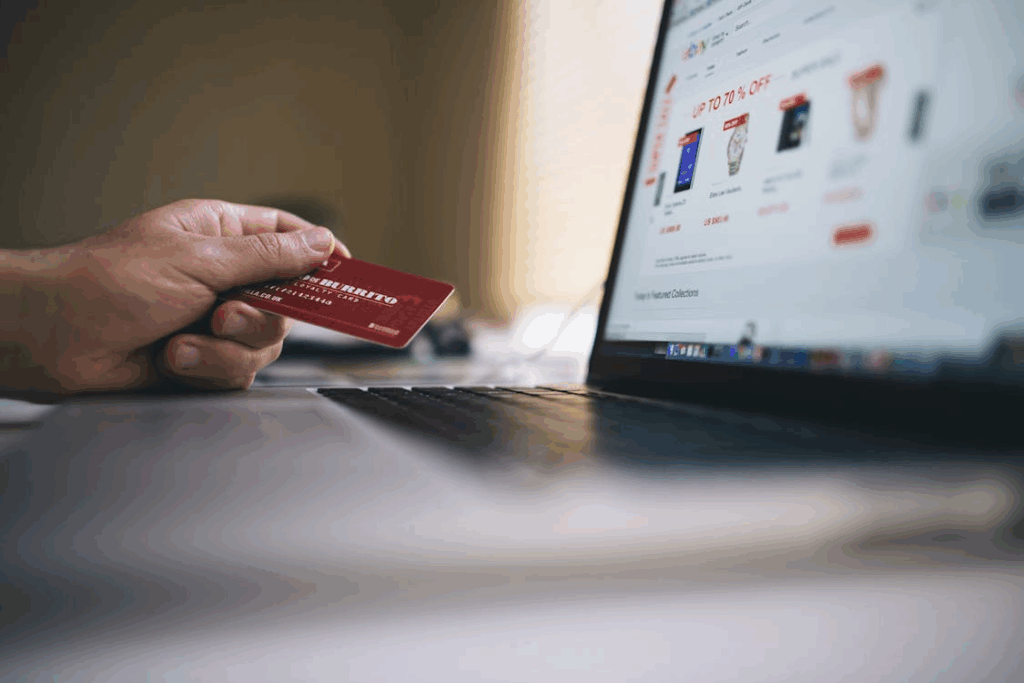
Another layer is real-time transaction monitoring. The idea here is to watch what happens to transactions in real-time.
The nice thing about this system is that it can freeze or flag suspicious activity instantly. It’s something that payment processors, like PayPal, use quite often to ensure that people don’t lose money.
Usually, transactions will be blocked if they are unusual for the user. For example, if they suddenly send $50,000 to an account in Bolivia after having never done anything like that in the country before, then it could be a sign that the transaction requires additional verification.
Digital Identity Verification
Digital identity verification is another strategy that a lot of firms are using. Following “know your customer” (KYC) rules is helping to break the cycle of fraud by ensuring the stakeholders use proper identity documents, especially for online transactions.
Encryption
Finally, encryption is being heavily relied upon to reduce the incidence of fraud. Advanced systems are reducing the risk of data being stolen or intercepted during transit, decoded, and then used to access critical systems or information.