Pauline Jackson
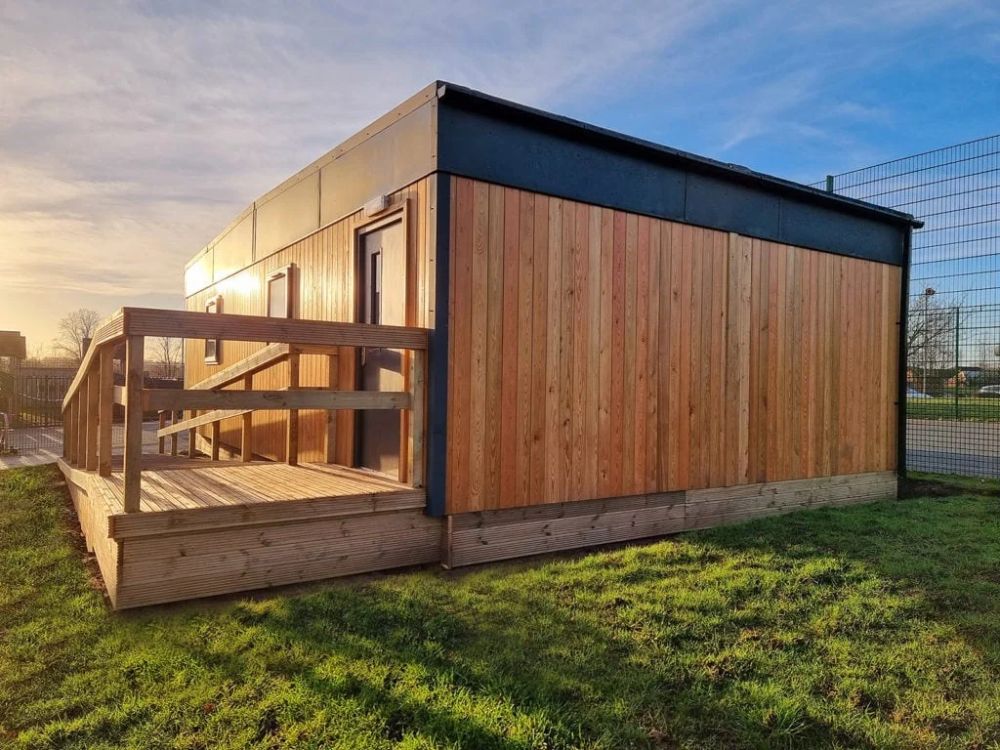
As any business grows, the need for extra space will become increasingly more important. Aspects like expanding teams, the introduction of new services or an increase in operational capacity can all require additional premises to support changing demands without creating unnecessary costs or disruption to day-to-day operations.
For businesses right across the Midlands, modular buildings are a popular choice in providing a practical alternative to relocating or undertaking major construction work. Manufactured offsite and assembled on location, they are a flexible, cost-effective way to expand facilities while accommodating future growth.
Why Growing Businesses Need More Flexible Workspaces
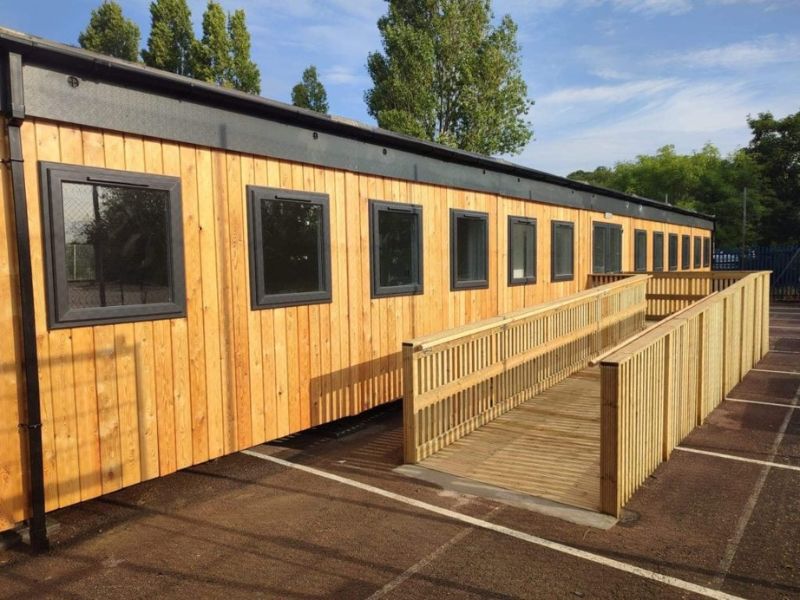
As a business continues to evolve, the initial workspace will likely need to change significantly. This can be anything from taking on new employees to introducing additional departments or managing seasonal demand increases, which can almost immediately highlight the need for extra work areas, storage or any other usable space.
However, for organisations that are already set up and operating from an existing premises, moving to a larger property is likely not the most practical or cost-effective solution. Flexible workspace areas offer an alternative to these options, enabling businesses to address current space requirements without committing to larger, more costly accommodation.
By choosing adaptable facilities, organisations can respond more effectively to changing operational demands while keeping longer-term objectives in mind. This can be particularly beneficial for periods of fluctuating activity, uncertain growth or changing staffing levels.
Expanding Without Relocating
Relocating a business can involve considerable costs, planning and operational disruption, from moving equipment to transferring staff and maintaining services.
Wherever suitable space is available, modular buildings offer an opportunity to expand existing premises without changing location.
Businesses can introduce additional offices, meeting rooms or staff facilities while making use of their current infrastructure. However, successful expansion depends on site availability, ground conditions, utilities and relevant planning permissions.
Practical Applications Across Different Industries
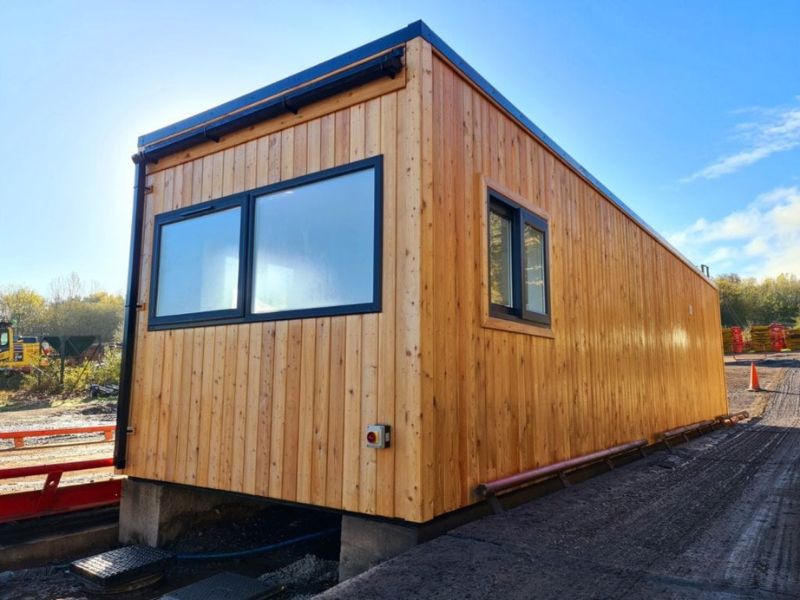
Modular buildings can serve a wide range of commercial purposes, making them relevant to businesses operating across different industries. For example, growing companies can use modular office buildings to accommodate expanding teams, while manufacturing businesses could benefit from dedicated administrative areas, production support or storage.
Then there are the application options like staff welfare areas, changing facilities, meeting rooms and training spaces for organisations that are developing their workforce.
This flexibility allows for the internal layouts and specifications to be specifically planned around the required operational needs. A training facility may need larger open areas and suitable electrical provision, while an office building could require individual workspaces, meeting rooms and staff amenities.
Expert assistance can help businesses choose the right configuration and make effective use of available space.
Managing Costs and Minimising Business Disruption
Modular construction allows much of the manufacturing work to take place offsite in a controlled environment, while ground preparation progresses simultaneously.
This can shorten installation times and reduce disruption to employees, customers and everyday operations. However, costs vary depending on specifications, groundwork, transportation and installation requirements.
Considering the full project budget and timescale helps businesses make informed decisions when comparing modular buildings with traditional construction methods.
Planning for Future Growth
When planning an expansion of a workspace, businesses should look beyond their current space requirements and consider the overarching potential for future growth.
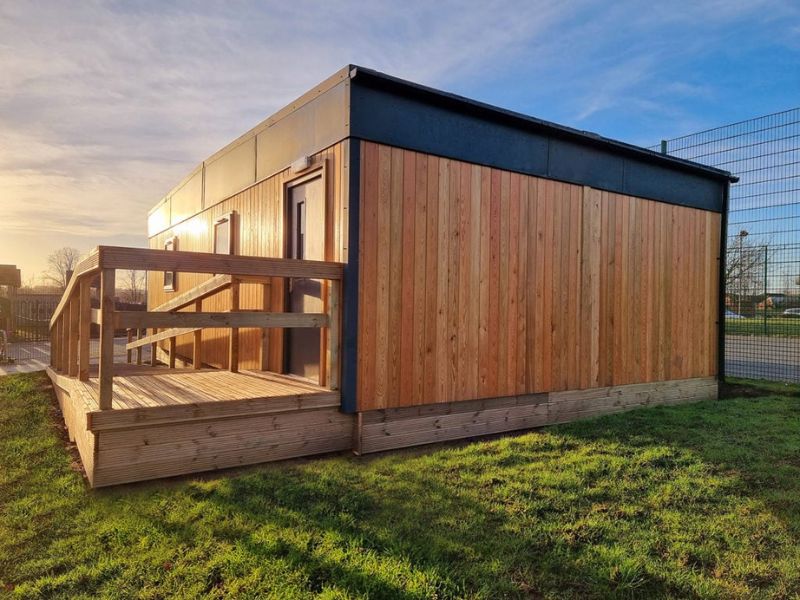
This could be anything from staff numbers, working practices, departmental needs, service offerings and more. Compared to traditional building or moving premises, modular construction options are designed with total flexibility in mind. Depending on their design, specification and site conditions, modular buildings can be extended, modified, relocated or refurbished. Considering future requirements during initial planning can help create adaptable workspaces and reduce the potential cost of later modifications.
Taking future requirements into consideration during the initial planning stages can help create adaptable workspaces. This will reduce the costs of any other modifications and make the expansion a far more practical investment.
Choosing the Right Modular Building Partner
After deciding that modular buildings are the right option for you, you then need to choose the right modular building provider. This involves more than just selecting the first structure you see, you must take design, groundworks, installation and transportation all into account first, only then will you achieve successful project delivery.
Established in 2005, Midlands Portable Buildings are a family-run business that is the industry leader in comprehensive modular building solutions across the UK. Their services include bespoke design, site preparation, delivery, installation, refurbishment and relocation.
For any Midlands business planning to expand their facilities, MPB offers a practical starting point for exploring flexible accommodation solutions tailored to their operational and site requirements.